Battle Boat
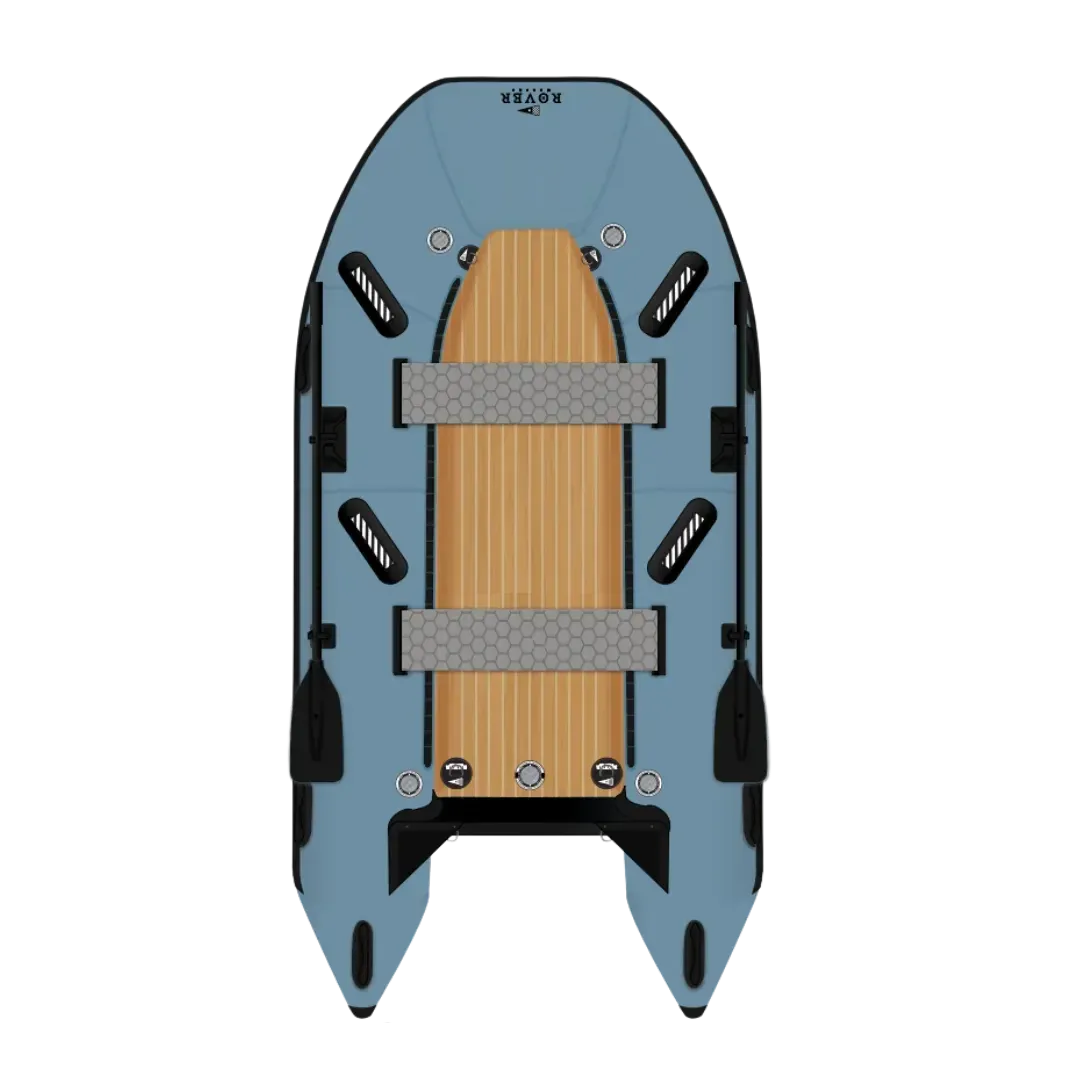
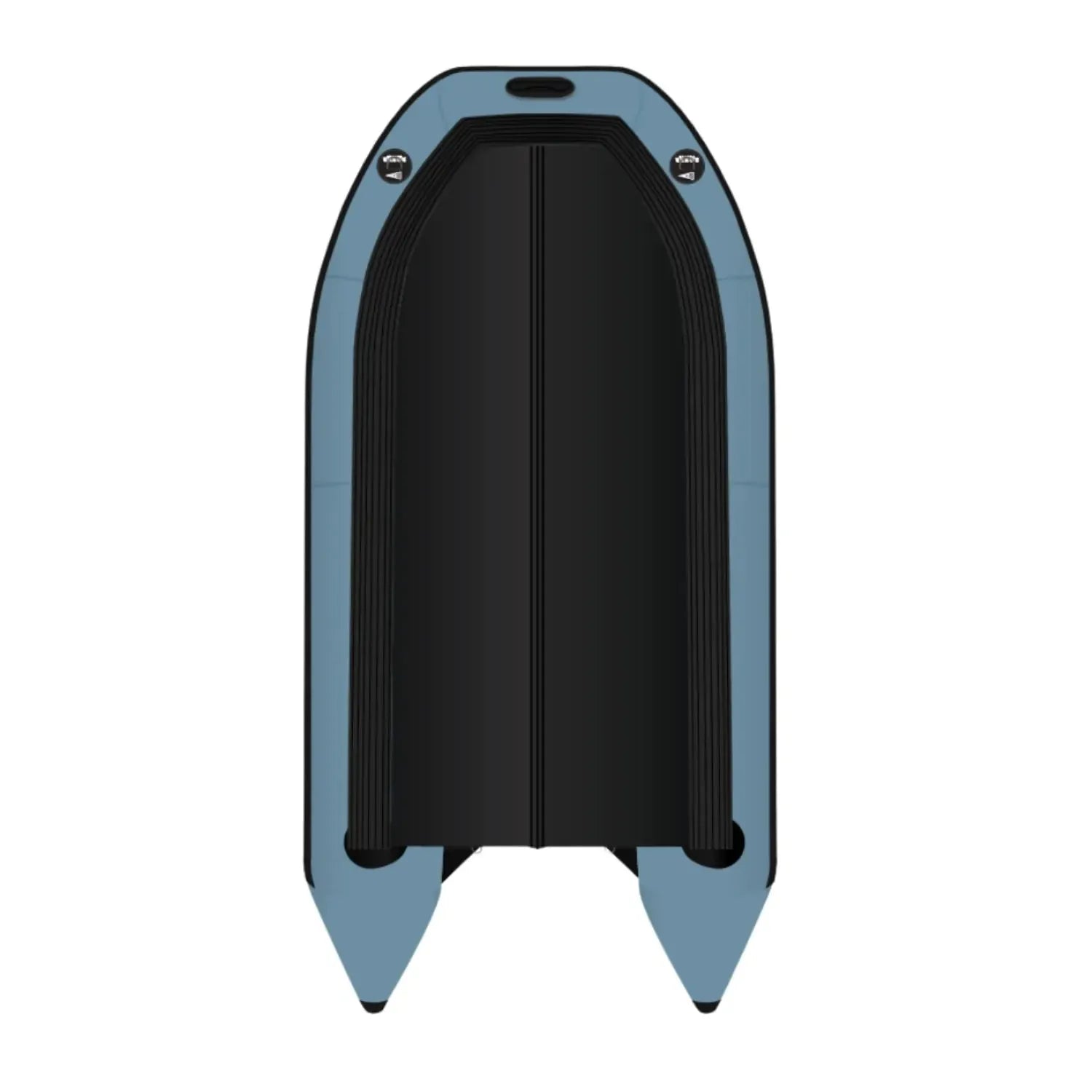
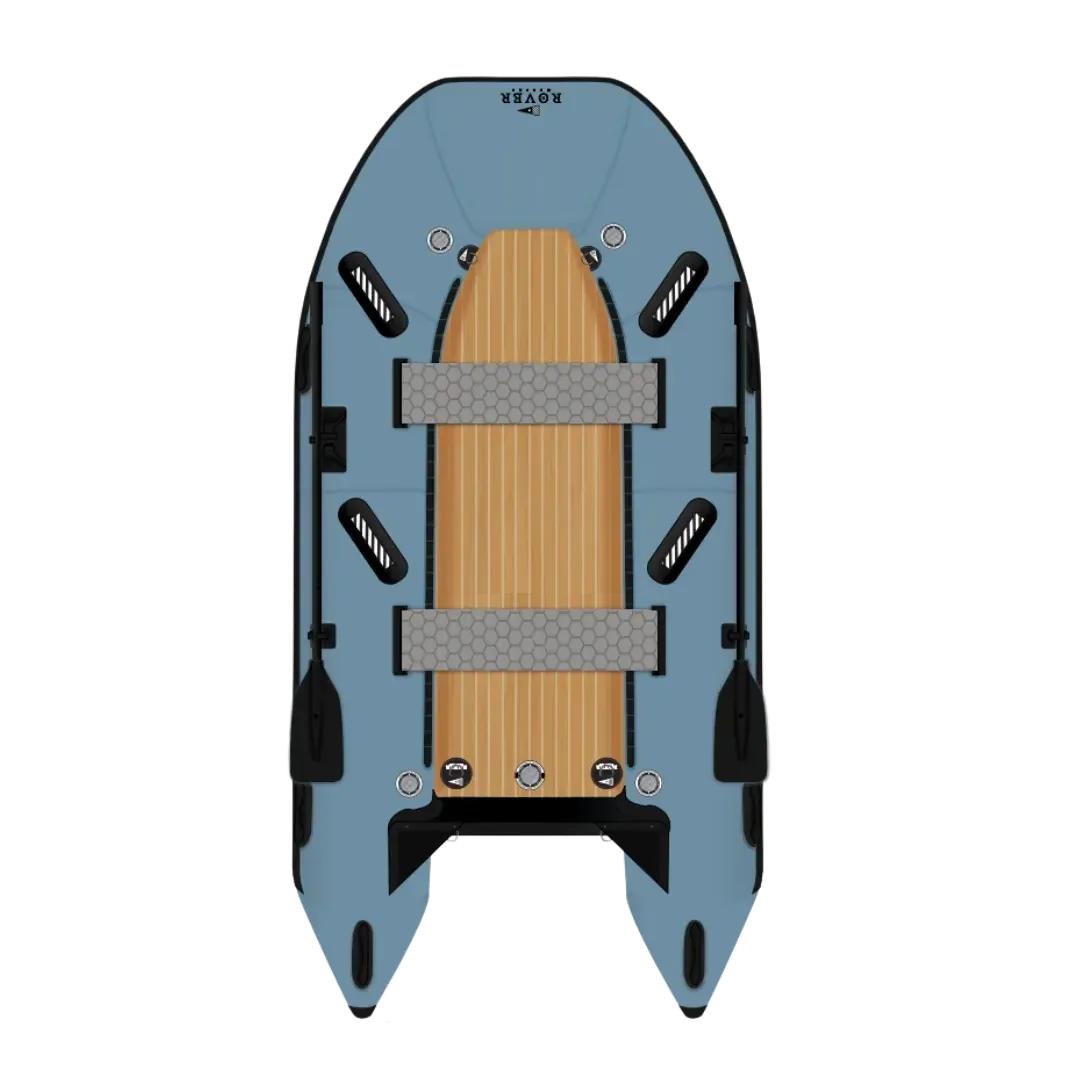
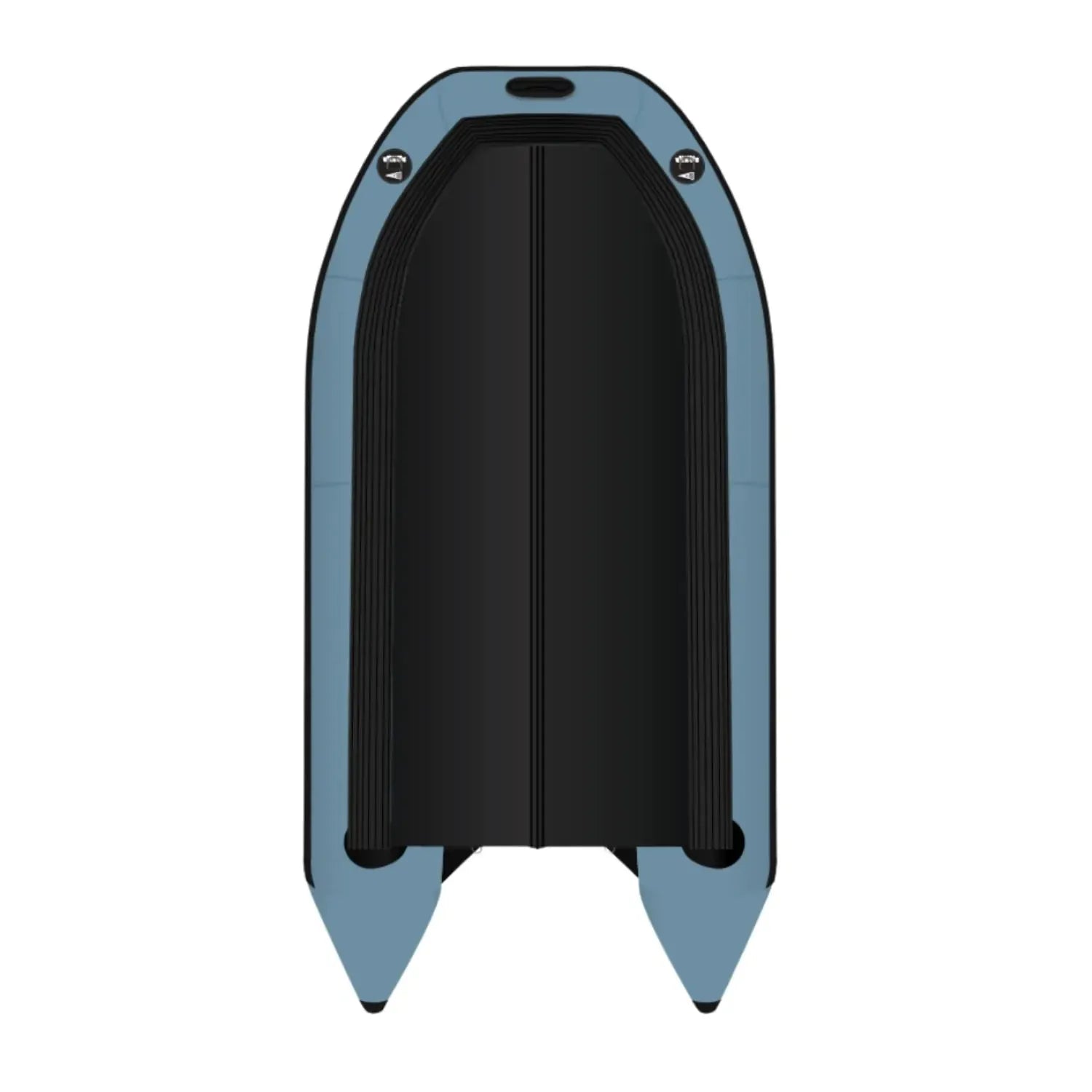
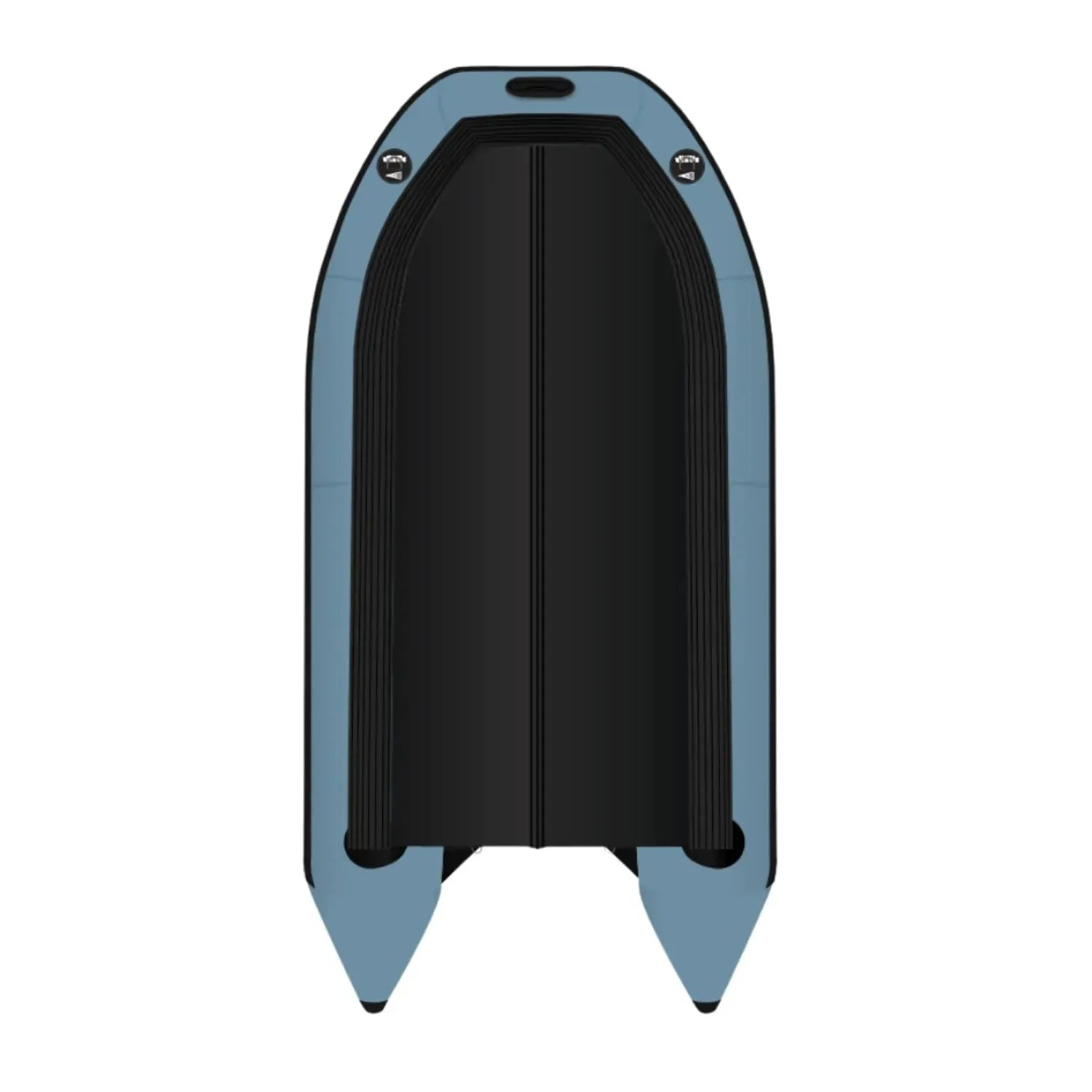
Choose the Battle Boat when you want the familiar layout of an inflatable dinghy with a defined bow, inflatable keel, high-pressure floor and reinforced transom for an outboard.
Yacht tender. Fishing boat. Family cruiser. Dive platform. A Rover Marine boat packs serious boating capability into a fully inflatable design that can be deflated when storage space matters.
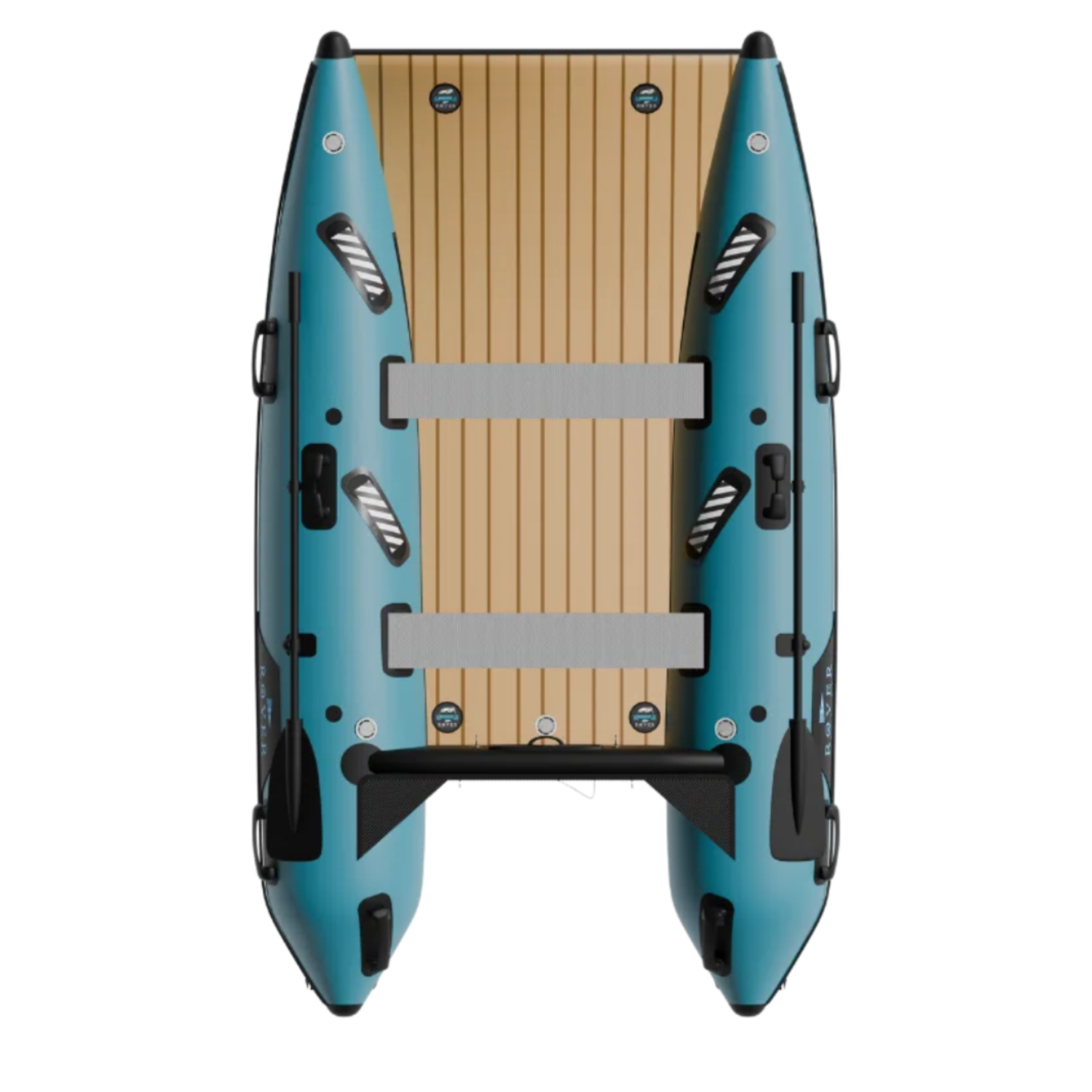
Choose the traditional Battle Boat dinghy layout or the wider dual-pontoon Battle Cat. Both are available in 8, 10 and 12-foot sizes for lakes, harbors, bays, inland waterways, yacht tendering and protected coastal use.
Do not start with horsepower. Start with the hull. The Battle Boat gives you the familiar layout of a traditional inflatable dinghy. The Battle Cat spreads buoyancy across two pontoons for a wider stance and a more stability-focused feel.
The familiar tender layout for ship-to-shore runs, harbor cruising, family boating, fishing and general exploration. Choose it when straightforward tender utility and conventional boat handling are high on your list.
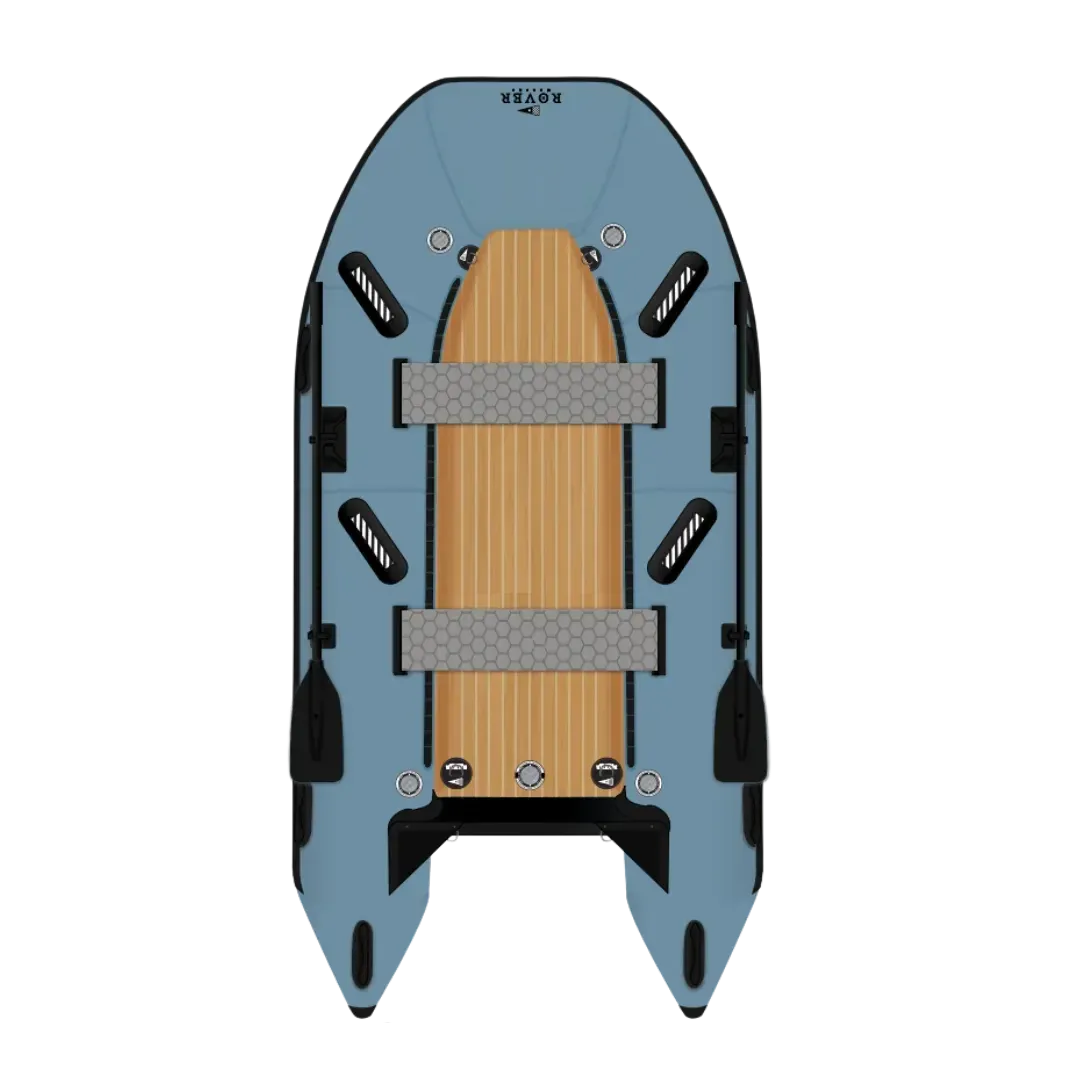
Available in 8', 10' and 12'.The twin-pontoon layout creates a wider lateral stance that works especially well for fishing, diving, swimming, gear-heavy days, boarding from the water and riders who prioritize stability.
Available in 8', 10' and 12'.2 people · 600 lb capacity · up to 6 HP
4 people · 1,000 lb capacity · up to 10 HP
4 people · 1,200 lb capacity · up to 20 HP
Compare all six Rover Marine models below. Open a boat for its complete dimensions, motor rating, capacity, current availability, package contents and model-specific details.
Filters
6 products
The two Rover Marine families share the same size progression, portable inflatable concept and high-pressure floor approach. The biggest difference is underneath you: a traditional inflatable boat layout versus a twin-pontoon catamaran layout.
Choose the Battle Boat when you want the familiar layout of an inflatable dinghy with a defined bow, inflatable keel, high-pressure floor and reinforced transom for an outboard.
The Battle Cat spreads buoyancy across two pontoons, creating a wider stance and a stability-focused platform. Its open bow also makes getting in and out of the water easier for swimming, snorkeling and dive-focused use.
Bigger is not automatically better. The right inflatable boat is the smallest model that safely handles your real crew, motor, gear and use while still fitting your storage, launch and lifting setup.
The smallest Rover Marine platform for tighter storage, lighter crews and shorter tender runs.
The middle size adds passenger room and load capacity without jumping all the way to the footprint of a 12-foot boat.
Choose the largest model when deck room, gear capacity and access to the highest motor rating matter more than compactness.
Battle Boats and Battle Cats do not use a permanent fiberglass or aluminum lower hull. Their structure comes from inflatable tubes, welded marine PVC construction and a reinforced high-pressure drop-stitch floor.
Inflate the floor and tubes to their correct operating pressure and the boat takes on the structure needed for boarding, seating, moving around the deck and mounting an appropriately rated outboard.
The inflatable tubes are designed to operate at 3.5 PSI, creating the buoyancy and main structure around the boat.
A reinforced high-pressure drop-stitch floor creates the firm deck surface beneath your feet.
Tube seams use thermal welding rather than depending entirely on glued structural seams.
The reinforced transom is designed around short-shaft outboard use within the motor rating for each boat size.
A boat's maximum horsepower rating is a limit, not a suggestion that every owner needs the largest possible motor. Your best setup depends on crew, total load, route, water conditions, motor weight, fuel or battery weight and desired range.
Battle Boat and Battle Cat models use a 15-inch transom. Confirm shaft length, motor weight and complete compatibility before ordering an outboard.
Rated for motors up to 6 HP.
Rated for motors up to 10 HP.
Rated for motors up to 20 HP.
Hull choice and size make more sense when you start with the mission instead of the spec sheet.
Move passengers and gear between the primary boat, dock and shoreline while keeping the option to deflate the tender for storage.
Choose capacity and size around the actual family, safety gear, cooler, motor, fuel or battery and everything else coming aboard.
The high-pressure deck provides usable standing and gear space. Battle Cat is worth a close look when lateral stability matters most.
Battle Cat's open-bow layout makes water entry and exit especially useful for snorkeling, freediving and recreational dive support.
Rover Marine boats work well for lake cruising, rivers, protected waterways and recreational exploring.
Harbors, bays and protected coastal routes can be appropriate when weather, load, route and operator experience match the conditions.
Rover Marine boats are packaged with the core equipment needed to inflate, row, sit, store and handle basic field repairs. Outboard motors and third-party electronics are separate unless a specific product or bundle says otherwise.
Your selected 8, 10 or 12-foot inflatable vessel.
Manual propulsion for maneuvering and backup use.
Reinforced removable seating lets you adjust the deck layout.
Inflate the tubes and high-pressure floor at your launch point.
Basic repair supplies for inflatable-boat ownership.
Pack the deflated boat for vehicle, marina or onboard storage.
The advantage of a fully inflatable boat is that it can be deflated and packed instead of permanently occupying the footprint of a rigid tender. That does not mean the complete boat, motor and equipment are light enough for every person or every storage space.
Before ordering, measure the place where the boat will live. If you plan to use davits, a swim platform, yacht deck or lifting system, confirm dimensions, boat weight, motor weight, attachment spacing and the lifting equipment's rated capacity.
Compare the catamaran and traditional inflatable dinghy layouts, including stability, handling and the uses each design favors.
Buying Guide How to Choose an Inflatable DinghyStart with tender use, fishing, storage, passenger needs, motor size and real-world boating plans.
Safety + Buyer Guide Are Inflatable Boats Safe?Learn how chambers, pressure, capacity, loading and conditions affect inflatable boat operation.
Motor Guide Choosing an Outboard for the Battle CatCompare horsepower, motor weight, short-shaft fit, electric versus gas power and range considerations.
Warranty coverage can differ by component. Review the current POP Board Co warranty terms before purchase for complete coverage, exclusions and claim requirements.
Limited coverage for eligible hull manufacturing defects under the current Rover Marine warranty terms.
Limited coverage for eligible manufacturing defects affecting tubes and seams.
Limited coverage for eligible attached components covered by Rover Marine's current warranty.
Motorized inflatable boats may require registration, numbering, documentation or other equipment depending on your state, waterway, boat length and how the vessel is powered.
Check the requirements of the state or local boating authority where the boat will be operated before launch.
The Battle Boat uses a more traditional inflatable dinghy layout with a defined bow and inflatable keel. The Battle Cat uses a dual-pontoon catamaran layout with a wider stance and open-bow design. Battle Boat favors traditional tender utility, while Battle Cat puts more emphasis on stability, boarding, fishing, diving and gear-heavy use.
Both the Battle Boat and Battle Cat are available in 8-foot, 10-foot and 12-foot models.
The 8-foot models are rated for two people and up to 600 pounds. The 10-foot models are rated for four people and up to 1,000 pounds. The 12-foot models are rated for four people and up to 1,200 pounds. Total load includes passengers, motor, fuel or battery, safety equipment and other gear.
The 8-foot models are rated for motors up to 6 HP. The 10-foot models are rated up to 10 HP. The 12-foot models are rated up to 20 HP. Do not exceed the motor rating for your boat and confirm shaft length and motor weight before purchase.
No. Battle Boats and Battle Cats are fully inflatable boats. They use high-pressure drop-stitch floors but do not have a permanent fiberglass or aluminum lower hull like a traditional RIB.
Yes. Yacht tendering is one of the main uses for both boat families. Choose the model around crew, total load, storage space, motor, lifting setup and the conditions where the tender will operate.
Yes. The Battle Cat's twin-pontoon layout and high-pressure floor make it well suited to fishing, snorkeling, freediving, recreational dive support and boarding from the water. Always balance the load and stay within the boat's passenger, weight and motor limits.
Rover Marine boats can be used on lakes, inland waterways, harbors, bays and protected coastal water when conditions are appropriate. Route, weather, wind, current, load and operator experience should always be considered before launch.
Registration rules vary by state, waterway, boat length and whether the boat is motorized. Check the boating authority where the vessel will be used before launch.
Rover Marine's current warranty separates coverage by boat component. Review the current warranty page for hull, tube, seam and attached-component coverage, exclusions and claim requirements.
Compare the Battle Boat and Battle Cat in 8, 10 and 12-foot sizes and build the Rover Marine setup around the way you actually boat.
Back to Rover Marine Boats