


Let's Be Real: Paddleboarding Is Better With People
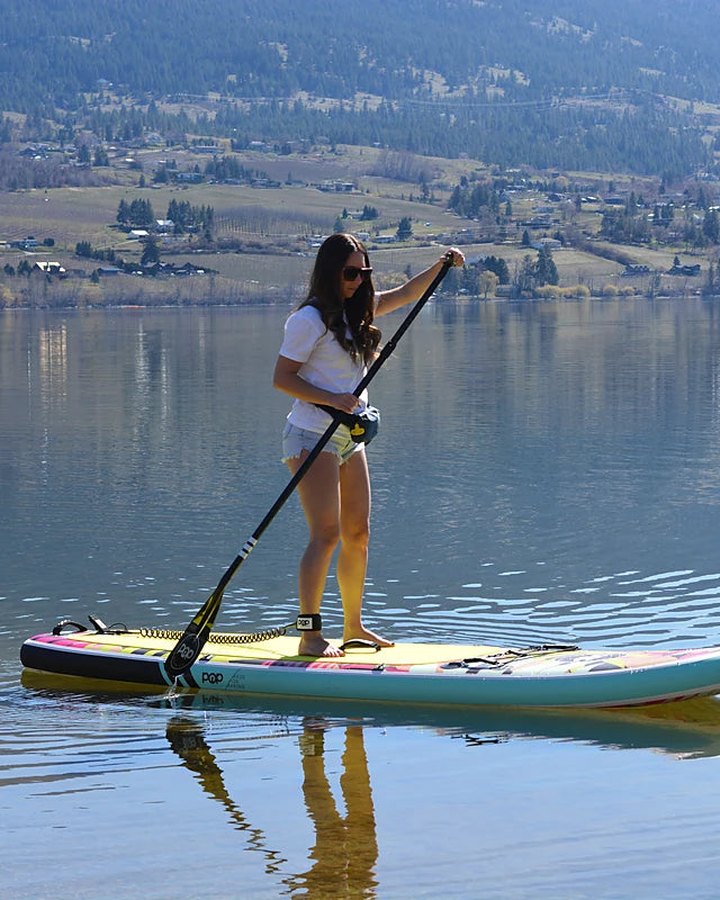
Look, you can absolutely enjoy your Saltwater Beaver solo. Early morning paddles when the lake's like glass? That's meditation on water. But here's the thing - paddleboarding gets exponentially better when you've got a crew. People to explore new spots with, someone to laugh with when you eat it trying to paddle board yoga, folks who get why you're checking wind forecasts at 6 AM.
The US paddle board scene is massive and surprisingly welcoming. Whether you're in Florida, California, the Great Lakes, or anywhere with water, there's a community waiting. This isn't some corporate "networking opportunity" - it's real people who just want to paddle and have a good time.

Why You Actually Want a Paddle Board Community
Beyond the obvious "paddling with friends is fun" angle, here's what being part of a paddle board crew actually does for you.
You'll Discover Spots You'd Never Find Alone
Every region has those secret spots - the protected cove that's perfect when it's windy everywhere else, the creek that's only paddleable at certain water levels, the beach with free parking that locals know about. You're not finding these on Google Maps. You find them by paddling with people who've been exploring for years.
I've paddled places I drove past a hundred times without knowing they existed. That's what happens when you connect with local paddlers who know the area.
Safety (Without Being Preachy About It)
Paddling solo is fine until it's not. Equipment fails, weather changes fast, you misjudge distance or current. Having people around who notice when you're not back, who can help if something goes sideways - that's not paranoia, that's just smart.
Plus, group paddles mean someone's got the first aid kit, someone else has the extra paddle, and somebody definitely brought snacks.
You'll Actually Get Better
Watch someone who's been paddling for years and you'll pick up technique without even trying. See how they handle chop, how they position their board for photos, how they load gear for longer trips. You can watch YouTube videos all day, but nothing beats paddling next to someone who knows what they're doing.
And when you're the experienced one helping newbies? That's equally valuable. Teaching forces you to understand what you're doing and why.
Motivation to Actually Go
It's easy to skip a paddle when it's just you. Too windy, too cold, too tired, too whatever. But when you've got a group meeting at 8 AM? You show up. That accountability gets you on the water way more often than good intentions alone.
Finding Your People: Where US Paddlers Actually Hang Out
The paddle board community isn't hiding - you just need to know where to look.

Facebook Groups (Yeah, Really)
I know, Facebook feels ancient. But it's where local paddle groups actually organize. Search "paddle board" or "paddleboard" plus your city/region and you'll find groups. Some are huge and active, some are small and tight-knit.
Good groups to check out:- Regional groups ("Pacific Northwest paddle board," "Great Lakes Paddleboarding," "Florida paddle board Community")- City-specific groups ("Austin paddle board," "San Diego Paddleboarders," "Chicago paddle board")- Activity-specific ("paddle board Fishing," "paddle board Yoga," "Whitewater paddle board")- Brand communities (many board manufacturers have owner groups)
Don't just lurk - introduce yourself, ask questions, offer to join group paddles. These groups are usually super welcoming to new people.
Meetup and Local Clubs
Meetup.com still works for finding organized paddle groups. Search your area and you'll find regular group paddles, often free or cheap. These are great for beginners because they're structured and welcoming.
Formal paddle board clubs exist in bigger cities - they usually have membership fees but offer regular events, instruction, and sometimes equipment discounts. Worth it if you're serious about the sport.
Your Local Paddle Shop
The shop where you bought your board (or should have) knows the local scene. They host demo days, group paddles, and can connect you with other paddlers. Shop employees paddle - ask them where they go and if you can tag along sometime.
Many shops have bulletin boards with event flyers, group paddle announcements, and contact info for local instructors and guides. Old school but effective.
Instagram and Social Media
Instagram's where you find the pretty pictures, but it's also where you find people. Search location tags for your local spots and you'll find other paddlers. Follow them, comment on their posts, DM and ask about joining a paddle. Most people are stoked to have company.
Local hashtags work too: #MichiganSUP, #PNWPaddleboarding, #FloridaSUP, etc. Follow those tags and engage with the community.
Reddit (For the Nerds)
r/Sup is active and helpful. It's more gear-focused than local community building, but you can find regional meetups and connect with paddlers in your area. The wiki has good resources for beginners too.
Regional Paddle Board Scenes Worth Knowing About
Different parts of the US have different paddle cultures. Here's what you need to know.
California and the West Coast
The birthplace of modern paddle boarding, California has the most developed scene. SoCal (San Diego, LA, Orange County) is year-round paddling with huge communities. NorCal (San Francisco Bay, Tahoe) is more seasonal but equally passionate.
Pacific Northwest (Oregon, Washington) has incredible scenery and hardcore paddlers who don't let rain stop them. Puget Sound, Columbia River, Oregon coast - world-class paddling.
Vibe: Laid back, experienced paddlers, lots of events and races. Can be intimidating for beginners but generally welcoming.
Florida and the Gulf Coast
Year-round paddling, warm water, and massive participation. Florida has paddle board communities everywhere from the Keys to the Panhandle. Gulf Coast (Alabama, Mississippi, Louisiana, Texas) is growing fast.
Lots of fishing-focused paddlers, mangrove exploration, and beach cruising. The El Capitan Bomber is popular here for longer touring and fishing trips.
Vibe: Casual, social, family-friendly. Easy to find beginner-friendly groups.
Great Lakes
Short season (May-September) but intense participation. Lake Michigan, Superior, Huron, Erie, Ontario - these are serious bodies of water that demand respect. Great Lakes paddlers know their stuff.
Strong community focus on safety, weather awareness, and skill development. Lots of touring and expedition paddling.
Vibe: Friendly but serious about safety. Experienced paddlers willing to mentor newbies who show respect for the conditions.
Mountain States
Colorado, Utah, Montana, Idaho - alpine lakes and rivers with stunning scenery. Shorter season, colder water, but incredible locations. Altitude affects everything (you'll get winded faster).
Mix of flatwater cruising and whitewater paddle boarding. Strong outdoor recreation culture means lots of crossover with kayaking, rafting, and climbing communities.
Vibe: Adventurous, outdoorsy, less focused on performance and more on exploration.
East Coast
From Maine to the Carolinas, the Atlantic coast has diverse paddling. New England has cold water and rocky coastlines. Mid-Atlantic (Chesapeake Bay, Delaware, Jersey Shore) has protected waters and active communities. Carolinas have warm water and long seasons.
Lots of coastal paddling, surfing, and touring. Strong racing scene in some areas.
Vibe: Varies by region - New England is hardcore, Mid-Atlantic is family-friendly, Carolinas is laid back.
Inland Lakes and Rivers
Don't sleep on inland paddling. Lake of the Ozarks, Lake Powell, Lake Mead, Finger Lakes, Minnesota's 10,000 lakes - every state has water and every body of water has paddlers.
These communities are often tight-knit because there are fewer paddlers spread across more locations. Once you connect, you've got friends for life.
Events Worth Traveling For
Paddle board events are where you meet people from beyond your local scene and get inspired.
Races and Competitions
You don't have to race to attend a race. Most paddle board races have recreational divisions, fun paddles, and festival atmospheres. Show up, paddle the course at your own pace, hang out at the beach party after.
Big races to know about:- Pacific Paddle Games (California) - the Super Bowl of paddle boarding- Carolina Cup (North Carolina) - East Coast's biggest event- Chattajack (Tennessee) - 31-mile river race, but has shorter options- Great Lakes paddle board events (various locations throughout summer)
Regional races happen all summer. Check local Facebook groups and shop bulletin boards for schedules.
Demo Days and Festivals
Manufacturers and shops host demo days where you can try different boards, meet reps, and connect with other paddlers. These are gold for trying before you buy and for meeting people.
Paddle board festivals combine demos, instruction, group paddles, and beach parties. Usually free or cheap to attend.
Clinics and Instruction
Paddle board clinics teach specific skills (racing technique, surf paddle boarding, yoga, fishing) and attract people who want to improve. Great way to meet motivated paddlers and level up your skills.
Many are weekend-long and include camping or lodging - instant community building.
Online Communities That Don't Suck
When you can't be on the water, these online spots keep you connected.
Forums and Message Boards
StandUpZone and SUPracer forums are where the nerds hang out. Gear reviews, technique discussions, trip reports. Less active than they used to be but still valuable for deep dives into specific topics.
YouTube and Content Creators
Paddle board YouTube is surprisingly good. Channels like SUP Boarder Guide, Paddle TV, and various regional creators put out solid content. Comment sections and live chats during premieres are where community happens.
Strava and Fitness Apps
If you track your paddles on Strava, join paddle board clubs and challenges. You'll connect with paddlers globally and locally. Friendly competition and kudos keep motivation high.

Starting Your Own Group (It's Easier Than You Think)
Can't find a group that fits? Start one. Seriously, it's not complicated.
Create a Facebook group or Meetup event: "[Your City] paddle board - Casual Group Paddles." Post when and where you're paddling. Show up. If one person joins you, that's a success. Keep posting, keep showing up, and the group will grow.
Keys to success:- Consistent schedule ("Every Saturday at 9 AM" beats random times)- Beginner-friendly approach (no one left behind)- Clear meeting spots ("North parking lot at [Lake Name]" not "the usual spot")- Safety-focused (check weather, have a plan, bring basics)- Social element (coffee or food after paddles builds community)
You don't need to be an expert. You just need to be consistent and welcoming.
Etiquette and Not Being That Person
Every community has unwritten rules. Here's how to not be the person everyone avoids.
Show Up On Time
If the group paddle starts at 9, be there at 8:45. Don't make people wait while you inflate your board and find your paddle.
Know Your Limits
Don't join the advanced group's 10-mile ocean paddle when you've done three lake paddles in your life. Be honest about your skill level. Good groups will have options for different abilities.
Bring Your Own Stuff
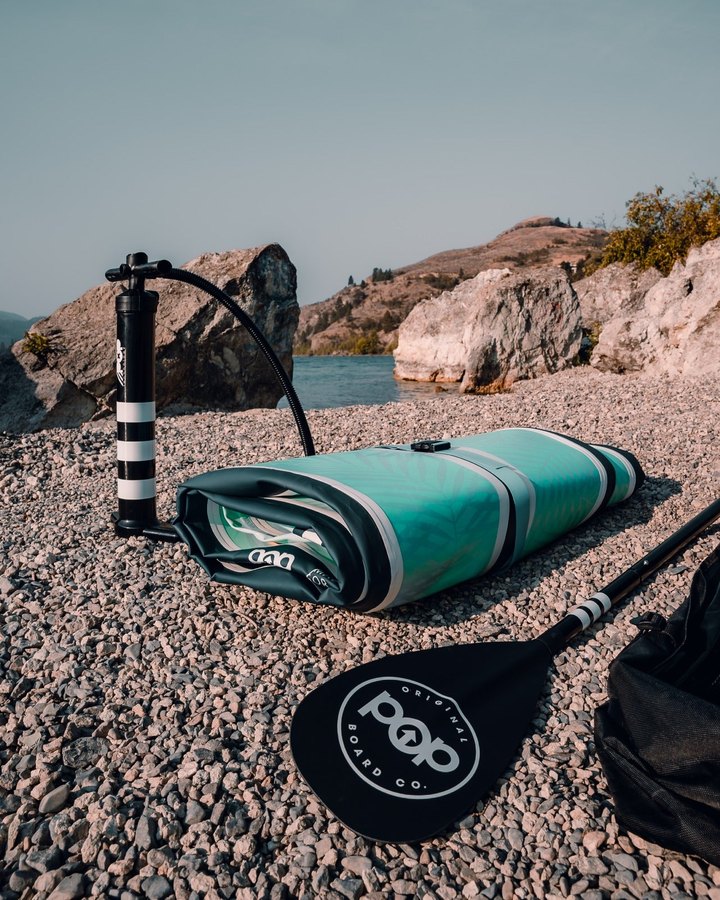
Don't show up expecting to borrow a board, paddle, PFD, or pump. Bring your gear and bring backups if you can. Offering to share is generous; expecting others to provide for you is not cool.
Respect the Environment
Pack out what you pack in. Don't disturb wildlife. Follow local regulations. The paddle board community cares about keeping spots accessible and pristine.
Be Inclusive
Welcome new people. Help beginners. Don't gatekeep or act superior because you've been paddling longer. Everyone started somewhere.
Share the Stoke
Post photos and tag people. Give credit. Hype up others' accomplishments. The community thrives on positivity and mutual support.
What to Actually Expect at Your First Group Paddle
Nervous about joining a group? Here's what really happens.
You'll show up and probably feel awkward for about five minutes. Then someone will introduce themselves, ask about your board, and make small talk. By the time you're on the water, you'll be chatting like you've known these people for months.
The paddle itself will probably be easier than you expect. Groups usually go at a moderate pace to keep everyone together. There will be stops to regroup, take photos, and chat. No one's racing unless it's specifically a training paddle.
After the paddle, people will hang out, talk gear, share snacks, and make plans for the next one. You'll exchange numbers or social media. Someone will add you to the group chat.
That's it. It's not complicated or intimidating. It's just people who like paddling, paddling together.
The Real Value: Stories and Friendships
Here's what actually matters about paddle board communities - the stories and friendships that come from shared experiences on the water.
You'll have inside jokes about the time someone fell trying to take a selfie. You'll remember the paddle where you saw dolphins or eagles or a meteor shower. You'll have friends who text you when conditions are perfect. You'll plan trips together, celebrate milestones, and support each other through life stuff that has nothing to do with paddling.
The paddle board community isn't just about the sport. It's about finding your people - folks who get why you'd rather be on the water than anywhere else, who understand the obsession with checking wind forecasts, who share your stoke for exploration and adventure.
Whether you're cruising on your Saltwater Beaver, touring on an El Capitan, or trying paddle board for the first time, there's a community waiting. You just have to show up.
Get Out There
Stop reading and start connecting. Join that Facebook group. Show up to that group paddle. DM that local paddler on Instagram. Say yes to the invite even if you're nervous.
The US paddle board community is massive, welcoming, and genuinely stoked to have new people. Your crew is out there - you just have to find them. And the only way to do that is to get off the couch and onto the water.
See you out there.


Leave a comment
This site is protected by hCaptcha and the hCaptcha Privacy Policy and Terms of Service apply.